Dim-to-Warm Lighting | What Is It?
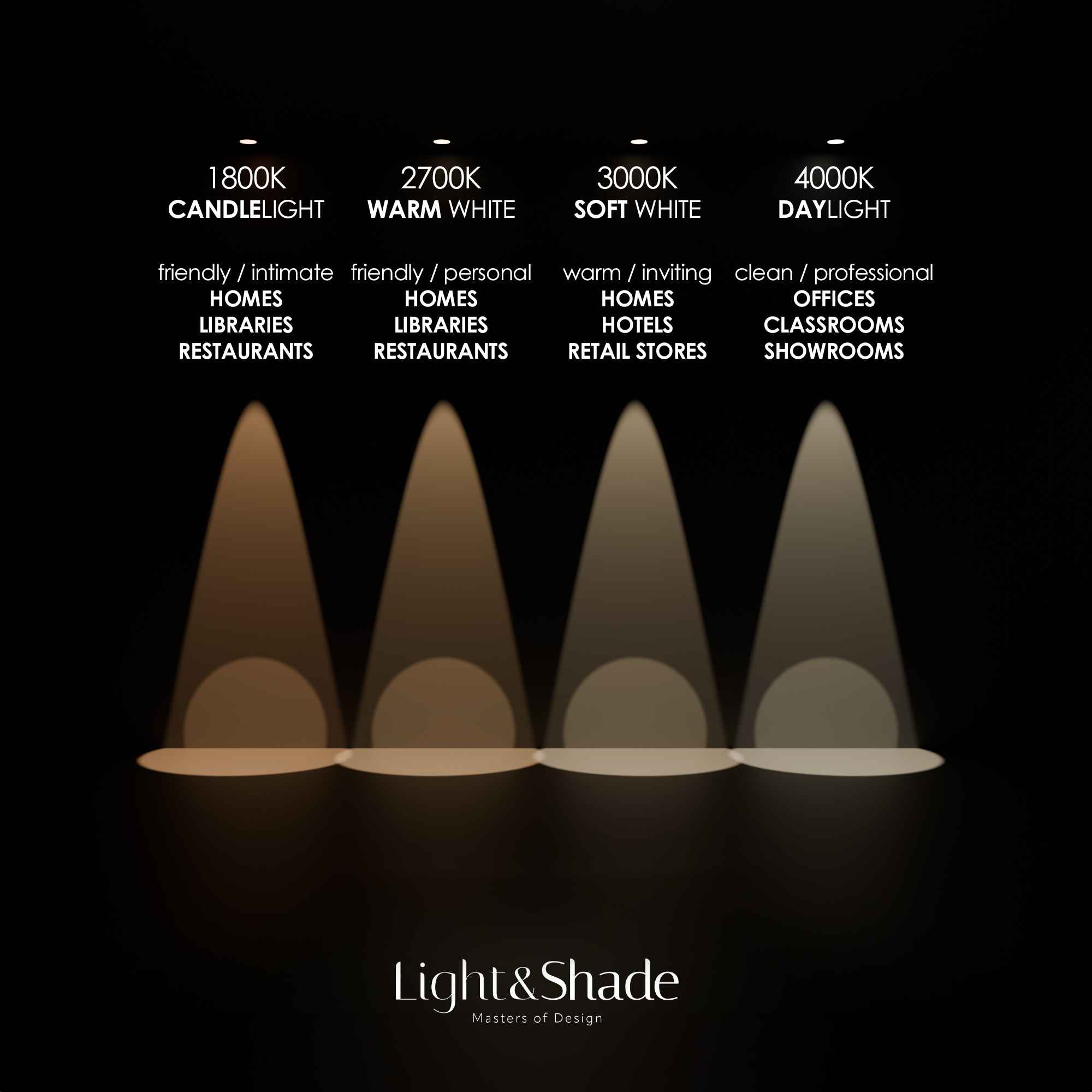
Bij gewone dimbare verlichting neemt vooral de lichtsterkte af. Bij Dim-to-Warm verandert tijdens het dimmen ook de kleurtemperatuur: hoe verder je dimt, hoe warmer het licht wordt.
Een armatuur kan bijvoorbeeld op volle sterkte rond 3000K of 2700K licht geven en tijdens het dimmen geleidelijk verschuiven naar een veel warmere lichtkleur. Hierdoor ontstaat bij lage lichtniveaus een zachtere en sfeervollere uitstraling.
Dim-to-Warm is vooral interessant in woonkamers, slaapkamers, eetruimtes en andere ruimtes waar zowel functioneel als sfeervol licht gewenst is. Overdag kan meer licht worden gebruikt, terwijl 's avonds dezelfde armaturen een warme sfeer creëren.
Niet iedere Dim-to-Warm-oplossing werkt echter hetzelfde. Het bereik van de kleurtemperatuur, de dimtechniek en compatibiliteit met de gebruikte dimmer of domotica kunnen verschillen per armatuur.
Overweeg je Dim-to-Warm verlichting? Laat vooraf bekijken welke armaturen en dimtechniek geschikt zijn voor jouw installatie en gewenste lichtsfeer.

Personal lighting advice for every project
Choosing the right lighting is not always easy. That is why we assist both private clients and professionals, including architects, interior designers, installers and property developers, in creating a well-considered lighting plan.
From selecting the right luminaires and beam angles to dimming systems and technical solutions, we help ensure that every space is illuminated to its full potential.
For new builds, renovations and project lighting, we offer various options for lighting advice and professional lighting planning. This ensures a functional yet atmospheric result that perfectly complements the architecture.
Curious to discover how we can help? Explore our different lighting advice and lighting planning services or contact us without obligation. We will be happy to discuss your project with you.
Related Posts
What is wall grazing and how does it differ from wall washing? Discover which technique works best for natural stone, textured and smooth walls.
How should you light natural stone? Discover how positioning, beam angle and colour temperature can enhance stone and textured walls.
Which lighting is best for a niche? Discover how LED, spotlights and indirect light create atmosphere and highlight materials and decorative objects.
Which lighting is best for a reading corner? Discover how beam angle, position, colour temperature and dimming create comfortable reading light.
How should you light a dressing room? Discover how to position spotlights and LED lighting to avoid shadows and illuminate wardrobes effectively.
How should you light curtains? Discover how indirect lighting and spotlights can add atmosphere, depth and an architectural lighting effect.
Which lighting should you choose for a toilet? Discover how spotlights, wall lights and indirect lighting can create a stylish and inviting space.
Which lighting works with a concrete ceiling? Discover options including surface spotlights, track systems, pendants and integrated lighting.
How should you light artwork? Discover which spotlight, beam angle, CRI and colour temperature help paintings and artworks stand out.
Discover how indirect lighting adds atmosphere and depth to your interior and how LED lighting can be integrated into ceilings, walls and furniture.